
The words that float away
Towards the end of my London book launch, the fabulous Maff Potts mentioned his frustration with “positive language”. It was lovely to be able to show him the ‘recommended resources’…
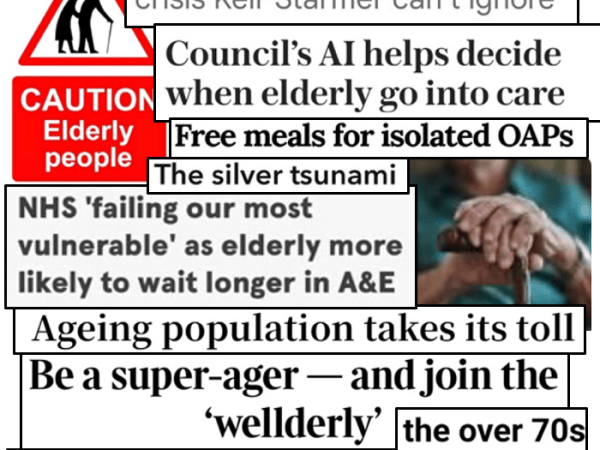
‘The elderly’ and ‘the wellderly’: why the language of ageing makes us go hmmm…
Today is United Nations International Day of Older Persons, observed under the theme “Older Persons Driving Local and Global Action: Our Aspirations, Our Well-Being and Our Rights”. It’s a day to…
Letter to Bryony S
Yesterday I received a direct message on Instagram from Maria. She said she hoped I didn’t mind her writing to me out of the blue, but that she was reading…
Anyone who works with me knows that I care a lot about the language we use in social care. I firmly believe that our language reflects our values and our feelings, and influences the way we think and the way we behave. But I also genuinely believe that because the language of our social care world is so deeply entrenched, we don’t think about the true meaning or impact of the words we use, or question why we continue to use them. So I’ve started this blog to share my thoughts about the words and phrases that make me go hmmm, why language matters and the role of language in rewriting social care.
The language we use every single day in the current world of social care describes a system of process, bureaucracy, transactions and services (‘screening’, ‘signposting’, ‘referral’, ‘assessment’, ‘eligibility’, ‘care package’…) The labels we apply to people divide and dehumanise (‘service user’, ‘customer’. ‘case’, ‘vulnerable’…) The phrases we use distance and blame (‘challenging behaviour’, ‘refusal to engage’, ‘complex needs’, ‘non-complaint’, ‘hard to reach’…)
This language and these labels have no place in our better, brighter social care future, which has people and communities and stories and relationships and dreams and love and good lives and hope at its heart. A whole new vocabulary. Social care rewritten.
Search this site…
Subscribe to receive the latest blog posts by email…
Contact Bryony…
Thank you for your response. ✨

 Rewriting social care